Autumn: the easy choice
October and November are the most reliable months: clear skies, comfortable temperatures, low humidity and good river visibility. The rice is harvested, the light is soft, and the valley looks like the photographs.
The trade-off is crowds. October is busy, especially around the National Day holiday in the first week. Book accommodation and transport early, and expect the famous viewpoints to be popular at sunrise.
Spring: mist and rain
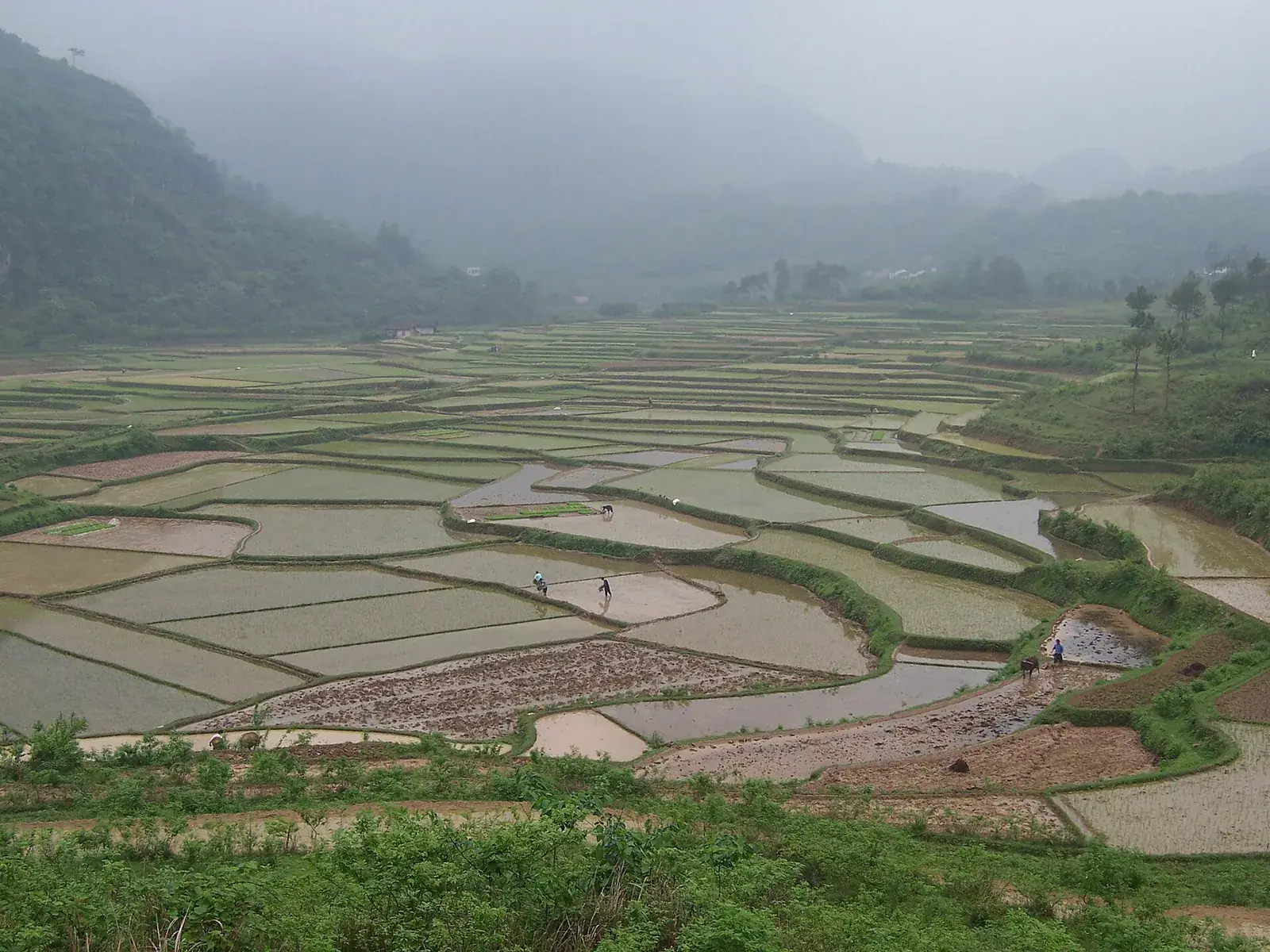
March to May brings warming weather, green fields and frequent mist. The landscape can be magical in the early morning, with peaks appearing and disappearing. It can also rain for days, and the river may be brown.
Spring is a good time for photography and for avoiding the summer heat. It is a bad time for a rigid itinerary. Build in flexibility and bring a rain jacket.
Summer: heat and storms
June to August is hot, humid and stormy. Daytime temperatures can be uncomfortable, and the afternoon thunderstorms are dramatic. The river is at its fullest, which can be good for rafting but bad for clarity.
If you come in summer, start early, rest in the middle of the day and swim in the late afternoon. Climbing is possible in the shade but conditions are often greasy.
Winter: quiet and grey
December to February is cool, damp and quiet. The karst can look stark and beautiful in mist, and prices are lower. Some small businesses close, and the light is flat for much of the day.
Winter is a good time for walking, village stays and photography if you like atmosphere. It is not a beach holiday. Bring layers, waterproof shoes and patience with the cold indoors.
Questions
Practical notes
What is the best month for photography?
October and November for clear light; March and April for mist. Both have trade-offs in crowds or rain.
When is the rainy season?
The heaviest rain usually falls from April to June, with typhoon-related downpours possible later in summer. It does not rain all day every day, but plans should be flexible.