Internet and workspaces
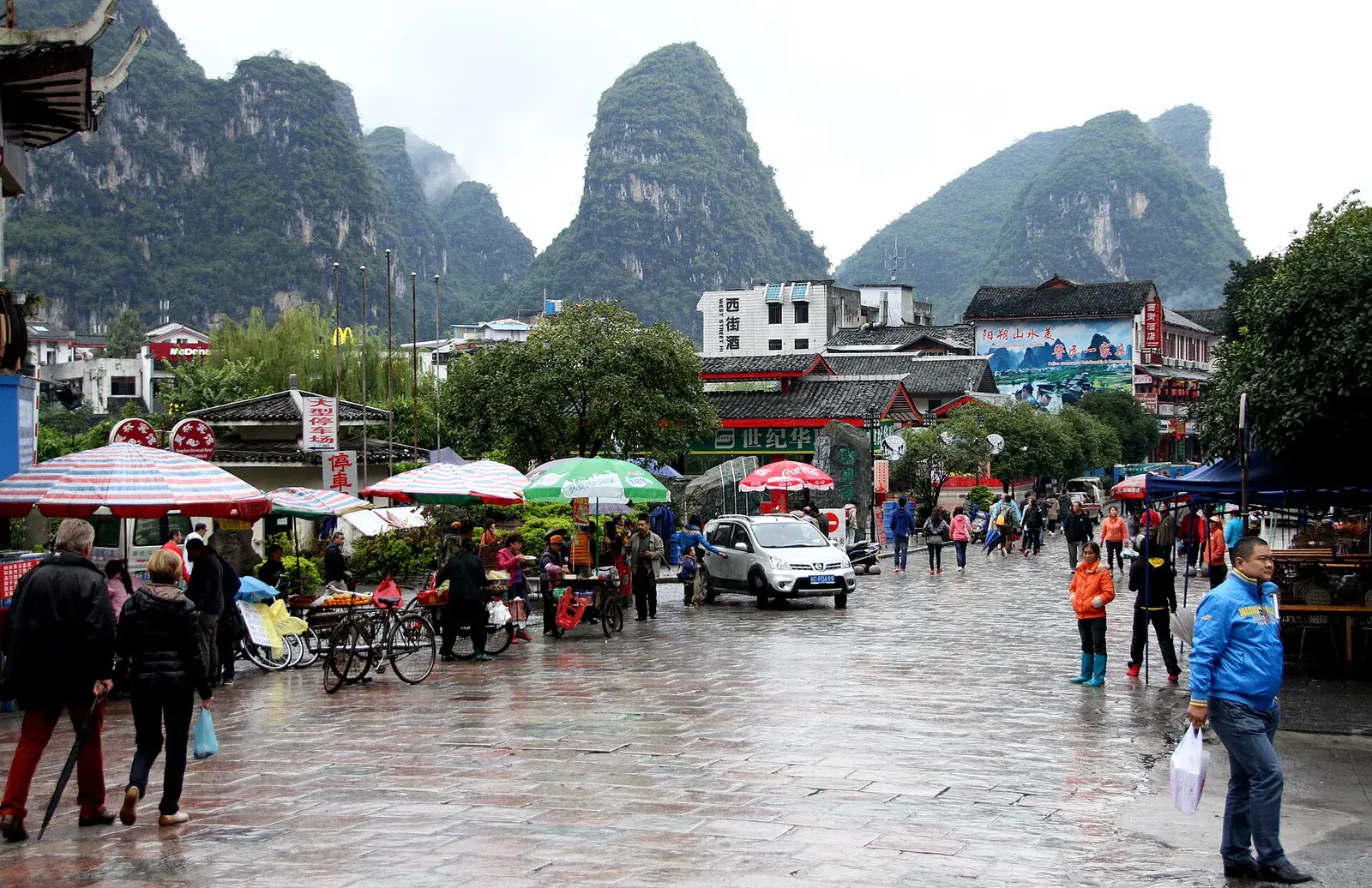
Yangshuo town has reliable internet in most guesthouses and cafes. The Yulong valley is more variable: some guesthouses have excellent wifi, others struggle. Ask for a speed test or a screenshot before you book.
There is no large coworking scene, but several cafes tolerate laptops during the day. If you need video calls, test the connection at different times and have a mobile data backup. A local SIM with a data plan is useful.
Where to stay
For work, town is easier: more cafes, more food options, better transport. For longer stays, Jiuxian or a Yulong valley guesthouse offers quiet and space at a lower price, provided the internet works.
Look for a room with a desk, a comfortable chair and good light. A balcony or garden is worth paying for. Confirm heating in winter; many southern Chinese buildings are poorly insulated.
The daily rhythm
Work in the morning, take a long lunch, do a short ride or walk in the afternoon, then finish in the evening. The valley is not a place to sit indoors from dawn to dusk.
The time zone is China Standard Time, which is convenient for Asia and Australia and awkward for Europe and the Americas. Plan your calls around the overlap, not the other way around.
Practicalities
A tourist visa is not a work visa. If you are working remotely, check the rules for your nationality and visa type. Do not assume that a tourist entry allows remote work.
Bring a universal adapter, a power bank and a backup connection. Mobile payment is common; set up an app if you can, and carry cash as a fallback.
Questions
Practical notes
Is the internet fast enough for video calls?
In town, usually. In villages, it depends on the guesthouse. Ask for a speed test and have a mobile data backup.
Can you work on a tourist visa?
Rules vary and change. Check the current regulations for your nationality before you plan a long working stay.